mcprison
The evolution of West virginia penitentiary
Abstract
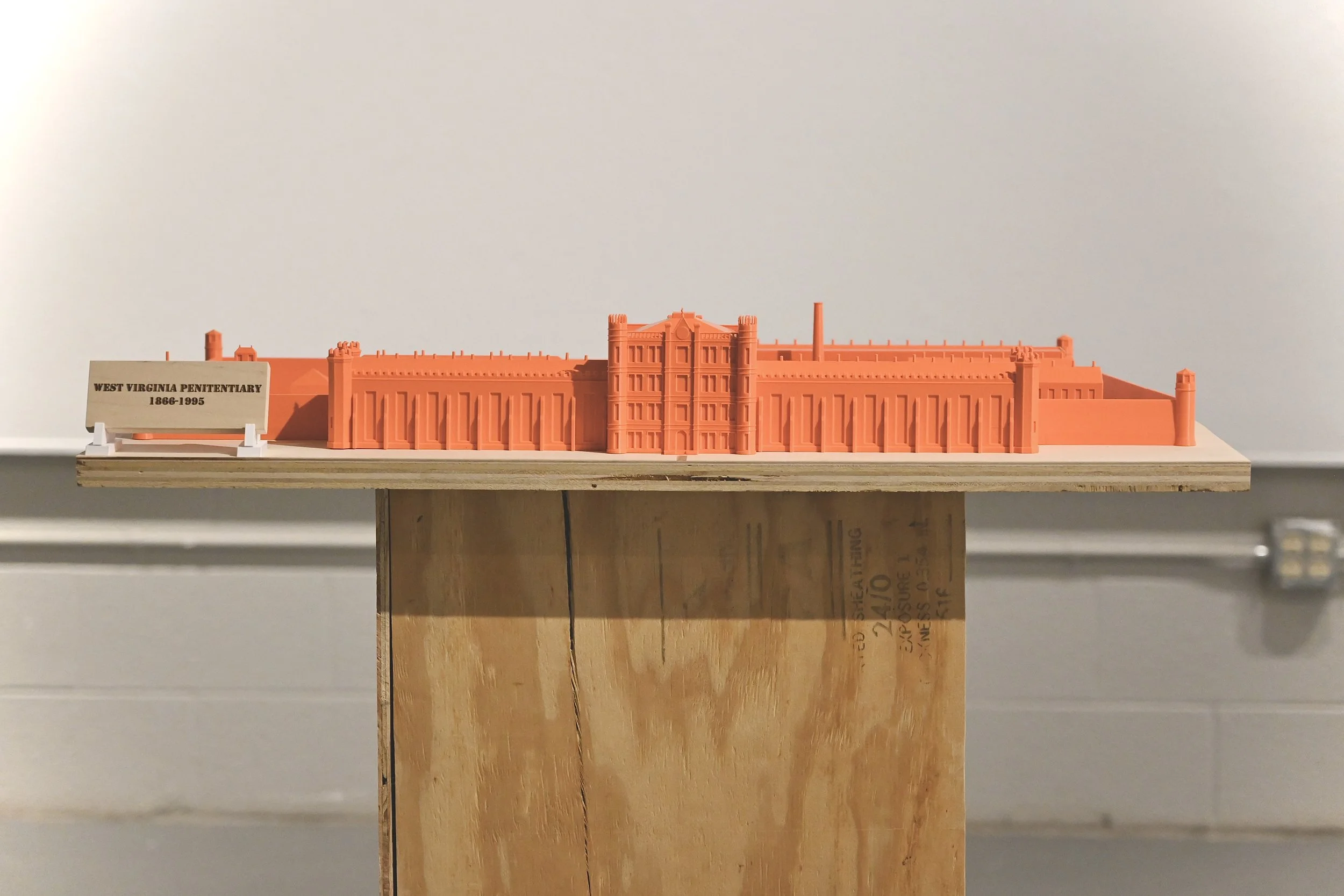
This paper seeks to retroactively apply George Ritzer’s 1993 concept of “McDonaldization” to the architectural and operational design of the West Virginia Penitentiary in Moundsville, West Virginia to aid a broader comprehensive review in the evolution of prisons, penitentiaries, jails, and immigration detention centers in the United States. Utilizing Ritzer’s four dimensions of efficiency, calculability, predictability, and control, this paper outlines the history of the penitentiary to understand how the incarceration and labor processes, as well as the architectural configurations and facility expansions, were standardized toward a contemporary goal toward the commodification of bodies.
This paper explores how the West Virginia Penitentiary was rationalized through monetary incentives and how this was expressed through architectural design. Not only did the architectural rationalization of this penitentiary reflect the contemporary neoliberal tenets of efficiency and profit over the well-being of the inmates, but the rationalization of the organizational structure reinforced systemic inequalities through a preference of function and quantity over rehabilitation and quality. This paper will map the early legal pluralistic guidelines of carceral architecture, highlighting the inevitable rationalization of law and policy toward the design and operation of prisons and penitentiaries. But, for the West Virginia Penitentiary, this was always a game of catch up, ultimately leading to its closure in 1995.